
A Complete Guide to the Only Derivatives-Focused Certification
The Importance of Derivatives in Modern Markets
Derivatives markets, particularly options and futures, are critical to the functioning of the global financial system. As of 2024, the notional value of outstanding derivatives contracts worldwide exceeds $600 trillion, underscoring their pervasive role in risk management and trading.
Options and futures are far from niche products. In the U.S. alone, equity options trading volume has surpassed 10 billion contracts annually, driven by both institutional and retail participants seeking tailored hedging and speculative strategies. Futures markets see over 30 billion contracts traded globally each year, enabling everything from commodity hedging for producers to interest rate risk management for corporations.
These instruments provide essential functions: enabling price discovery, improving market liquidity, and allowing for precise risk transfer. Portfolio managers use options to manage volatility exposure. Corporations hedge currency and commodity risks through futures. Trading desks deploy advanced spreads to exploit pricing inefficiencies.
Their use continues to grow with the rise of electronic trading, algorithmic strategies, and the globalization of supply chains. Volatility itself has emerged as an asset class, with dedicated products and strategies built around it. As financial markets become more interconnected and complex, the demand for professionals who truly understand derivatives is only increasing.
Mastering these instruments is not just an advanced skill. In fact, it is rapidly becoming a baseline expectation for traders, analysts, risk managers, and advisors who need to navigate today’s markets with confidence and precision.
What is the CFOA?
The Certified Futures and Options Analyst (CFOA) is a professional certification developed by the International Council for Derivative Trading (ICFDT).
Unlike broader finance qualifications, the CFOA focuses exclusively on options and futures. It is designed to assess and certify practical knowledge of derivatives pricing models, trading strategies, market mechanics, and risk management.
The goal is to provide a structured, recognized benchmark for professionals and traders who want to demonstrate competence in this specific field — whether at a prop desk, a buy-side firm, or managing their own trading book.
Who Should Consider the CFOA?
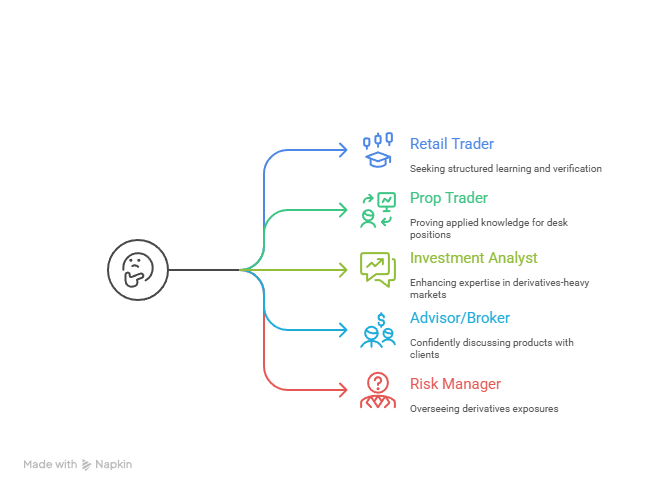
The CFOA is intended for individuals who work with, trade, or analyze derivatives. This includes:
Retail and independent traders looking for structured, verifiable learning.
Prop traders and desk candidates seeking to prove applied options and futures knowledge.
Analysts in derivatives-heavy markets (to be fair most markets are now increasingly derivatives-heavy).
Advisors and brokers who need to confidently discuss these products with clients.
Risk managers overseeing derivatives exposures.
Given that derivatives can represent a significant portion of institutional trading volume (CME Group alone clears billions of contracts annually across asset classes) the ability to demonstrate specialized competence is increasingly valuable, and is being increasingly seen more like a must than an extra.
How Does It Compare to Other Certifications?
The CFOA fills a gap that broader finance certifications don’t address directly.
The CFA remains the benchmark for general investment analysis, portfolio management, and research. But its treatment of derivatives is limited to pricing basics and theoretical concepts, spread thinly over a multi-year program.
The FRM focuses on broad risk management frameworks across credit, market, and operational risks, with some derivatives coverage but less on practical trading application.
The CAIA addresses alternative investments like hedge funds and private equity, with derivatives as one component of the curriculum.
The CMT emphasizes technical analysis, trends, and chart patterns without teaching options pricing models or structuring strategies.
By contrast, the CFOA is purpose-built for derivatives markets. Its curriculum is centered on pricing models, strategy design, market structure, and risk management for options and futures. For professionals aiming to specialize in derivatives trading, it offers a more direct and relevant credential. It can also work as a nice complement to some of the more traditional certifications, creating a good synergic boost.
Why Has the CFOA Emerged?
As derivatives markets have grown in scale and sophistication, so has the need for focused education. Institutions and trading firms increasingly seek candidates who can price complex structures, manage risk dynamically, and understand the nuances of derivatives markets.
In the past couple years, career resources have begun including the CFOA in their lists of certifications that can help candidates stand out in trading-focused roles. Industry insiders frequently discuss it as a targeted alternative for those who want something more practical -and achievable- than the multi-year commitment of broader designations. And there is a clear trend of firms recognizing the CFOA as an important component of employee professional development.
While newer and less universally known than the CFA or FRM, its specialization does seem to be filling a real gap in professional education for derivatives markets.
Exam Structure and Requirements
The CFOA exam is designed to test applied knowledge in a single sitting.
Format: 80-minute online or in-person proctored exam.
Standard version: 100 multiple-choice questions.
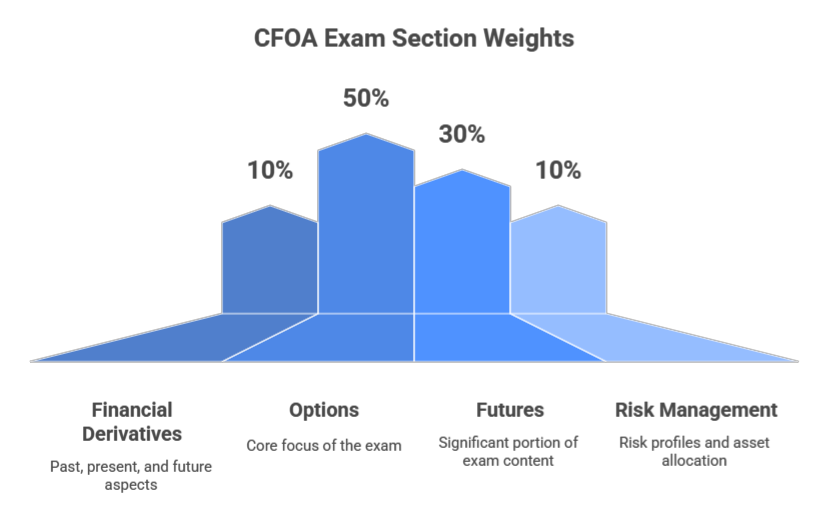
Sections:
Financial Derivatives: Past, Present, and Future (10%)
Options (50%)
Futures (30%)
Risk Profiles, Asset Allocation, and Risk Management (10%)
Passing score: 60%, with higher grading tiers for better performance: C 60–70%; B: 70–84%; A: +85%.
Certification validity: Lifetime, with no renewals or annual dues.
In response to demand for broader accessibility, ICFDT removed prior prerequisites in late 2024 (such as formal finance degrees or industry experience), opening the exam to anyone prepared to study and pass.
Exam Content in Detail
The CFOA syllabus goes beyond definitions to focus on real-world application:
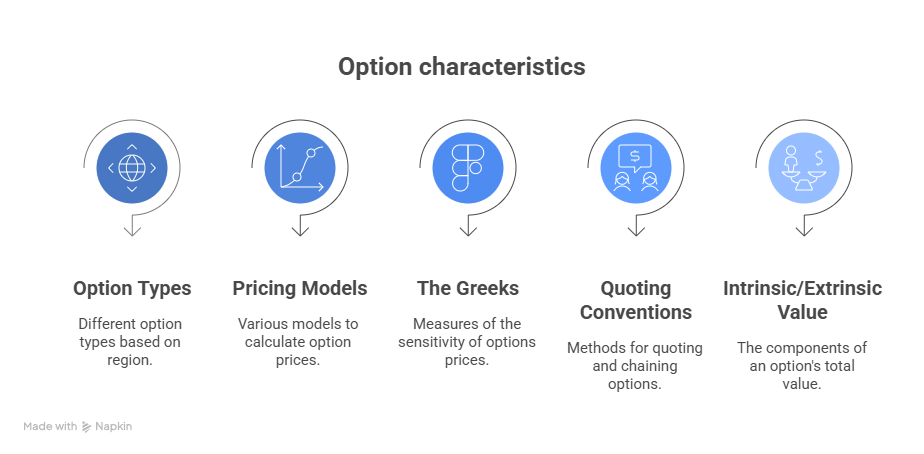
Options Contracts
Types, including American, European, and exotic structures.
Pricing models (Black-Scholes, binomial, Monte Carlo).
The Greeks and sensitivity analysis.
Quoting conventions and chains.
Intrinsic and extrinsic value.
Options Trading Strategies
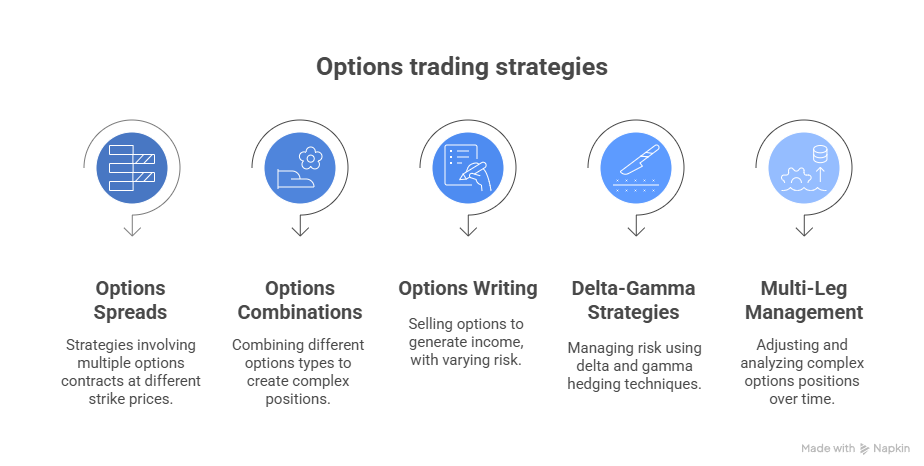
Vertical, calendar, and diagonal spreads.
Straddles, strangles, iron condors, butterflies.
Naked and covered writing.
Delta-neutral trading and gamma scalping.
Multi-leg management and breakeven analysis.
Futures Contracts and Trading
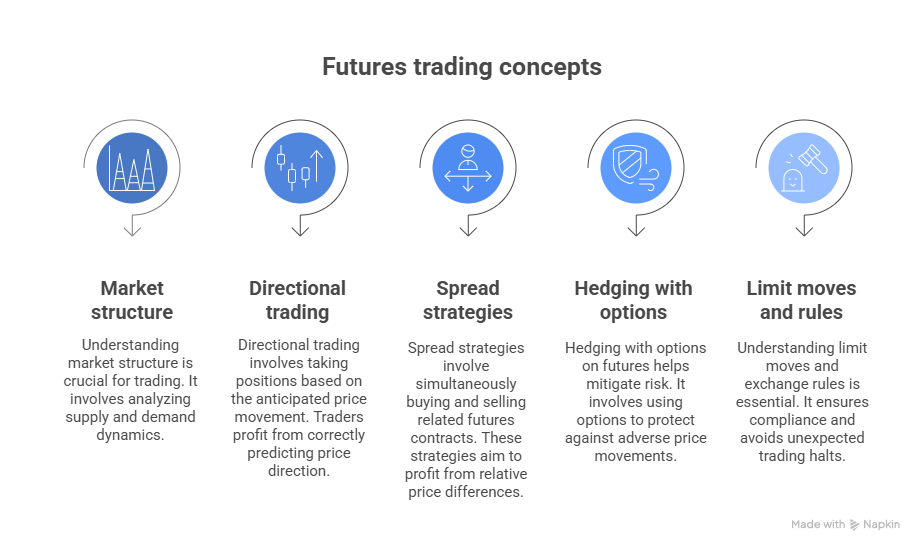
Market structure, cost-of-carry, contango, backwardation, basis risk.
Directional trading.
Spread strategies (intermarket, intramarket, calendar).
Hedging with options on futures.
Limit moves and exchange rules.
Risk Management
Margin and collateral management.
Position sizing and adjustments.
Rolling and exit strategies.
Stress testing and scenario analysis.
Asset allocation considerations.
Essentially, he exam reflects the kinds of questions a trader or analyst would face on the job: selecting appropriate strategies for given market conditions, pricing options under different models, and evaluating hedging choices for specific risk profiles.
Registration and Cost
One of the CFOA’s selling points is its accessibility:
Exam fee: $390 USD (as of July 2025, it must be noted that the CFOA has had history of fee hikes).
Lifetime validity: No annual dues or renewal fees.
Delivery: Online proctoring or authorized test centers globally.
Registration paths:
Independent candidates can purchase study materials and schedule the exam directly with the ICFDT.
Authorized providers may cover the exam fee and offer an abridged 60-question version for their sponsored graduates.
Given that the average CFA exam cycle costs several thousand dollars over multiple years, the CFOA represents a significantly more focused and affordable alternative for those specializing in derivatives.
Preparation Options
Candidates have several preparation routes:
Official ICFDT Study Guide & Question Bank: 100+ pages of syllabus-aligned content, worked examples, and practice questions. You can purchase this material by going to the ICFDT CFOA registration page, scrolling down to the registration form, then scrolling down to the products section and adding them along with your exam registration (if you’re unsponsored).
TrendUp Now L-Program: Authorized providers like TrendUp Now integrate the CFOA syllabus into their curriculum, often combining live trading challenges and scenario-based learning for deeper preparation. Graduates of their L-program can take a sponsored, abridged version of the CFOA for free.
CFOA Direct: As of July 2025, TrendUp also offers a fully self-paced CFOA prep course called CFOA Direct.
Why Choose the CFOA?
Options and futures are central to modern finance, with trillions in notional exposure and billions of contracts traded annually across global exchanges. They require a specialized understanding of pricing, strategy, and risk management that generalist certifications can’t fully deliver.
The CFOA is currently the only credential designed entirely around these markets. It offers candidates a clear way to demonstrate applied knowledge, with a single-exam format that makes it accessible to working professionals and independent traders alike.
For anyone seeking to prove serious competence in options and futures — whether for personal trading, career advancement, or employer validation — it seems to stand out as the most direct and relevant choice available.
Final Thoughts
Derivatives trading demands more than basic familiarity. It calls for the ability to price, structure, and risk-manage complex instruments in dynamic markets.
The Certified Futures and Options Analyst (CFOA) offers a structured, rigorous way to validate those skills. As the only certification focused exclusively on options and futures, it seems to be filling a clear need in financial education and professional development.
For those committed to building real expertise in derivatives, the CFOA represents a logical next step.